 HeatPumpPath
Guide collection
Find Your Home and Climate Fit
See how location, building condition, existing heating and heat distribution shape a heat-pump decision. Start with the scenario closest to your home, then confirm the design locally.
Homeowner guidance · USA · Canada · UK
Practical heat-pump decisions for real homes, climates, and existing heating systems across the USA, UK, and Canada.
Practical paths. Local context. Better questions for your installer.
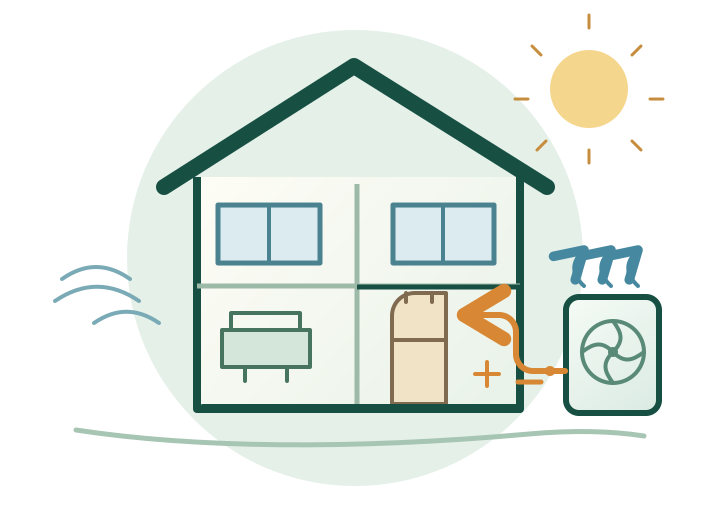
A clear route through the choices
A heat pump moves heat from one place to another rather than producing it by burning fuel. Depending on the system, it can provide heating, cooling, or both. A heat-pump decision starts with the home and the place it is in. An older house with radiators, a ducted home replacing a furnace, and a flat with limited outdoor space raise different questions. Use this guide to compare possible paths, understand what affects a design, and prepare for a useful local assessment.
Gather what you know before comparing systems. You do not need every answer to begin; mark unknown details instead of guessing.
Floor area is useful context, but it does not determine the equipment size by itself. A home-specific design also needs to account for heat loss, local outdoor design conditions, the distribution system and the purpose of the installation. Keep those assumptions visible when comparing recommendations.
When you are ready to compare proposals, use the site’s Get quotes and check installation route. Ask what home conditions, design weather, existing equipment and project work each proposal assumes, and compare the same scope before weighing prices.
This guide covers the United States, Canada and the United Kingdom. Units, utility rates, incentives, planning requirements and consumer protections vary by jurisdiction and can change. Check dated guidance for your exact location before relying on a cost, eligibility or rules estimate; a figure from another country or region is not a local answer.
Official starting points include the U.S. Department of Energy’s heat-pump overview, Natural Resources Canada’s homeowner guide, and the UK government’s heat-pump suitability checker. Each applies to its own jurisdiction and purpose.
These pages can help you understand choices and ask more specific questions. A qualified local professional must confirm the home’s heating and cooling needs, equipment selection, distribution changes, electrical or plumbing work, and applicable permissions. No general page can promise a particular bill saving or establish that a system will suit an individual home.
Browse by decision
Explore the whole path, from home fit and system design to running costs, comfort and installation.
See how location, building condition, existing heating and heat distribution shape a heat-pump decision. Start with the scenario closest to your home, then confirm the design locally.
Learn how home heat loss, local design weather, heat-pump capacity, and backup choices fit together before you compare a heating proposal.
Compare heat-pump proposals, check installer responsibility, spot sales pressure, and collect useful records at handover.
Understand how heat-pump cooling, indoor moisture, room-by-room air distribution, and fresh-air ventilation fit together in different homes and climates.
Understand how a heat-pump system can provide hot water, when storage is involved, and what demand, space, controls, and safety questions to resolve.
Find heat-pump retrofit options for the ducts, radiators, baseboards, or boiler already in your home.
Compare heat-pump sources, delivery systems, and room coverage before choosing equipment for an existing home.
Understand normal heat-pump behavior, make safe homeowner checks, and prepare useful information for service.
Find local climate, rates, incentive, planning, and installer guidance for heat-pump decisions.
Prepare a heat-pump retrofit by assessing the envelope, heat emitters, existing ducts, electrical supply, outdoor site, and heritage constraints.
Compare heat-pump options using the cost of useful heat, local energy prices, seasonal performance, backup, and the full project cost.
Plan a heat pump alongside the rest of your home's electrical loads, future upgrades, tariffs, and outage needs.
A useful next read
Buying, Quotes, Commissioning, and Installer Quality
Put heat-pump proposals on the same footing by comparing design assumptions, included work, exclusions, costs, and the records promised at handover.
Buying, Quotes, Commissioning, and Installer Quality
Check who is responsible for a heat-pump job and what a license, training badge, insurance policy, consumer scheme, or program listing does and does not establish.
Buying, Quotes, Commissioning, and Installer Quality
Collect a clear record of the heat pump that was installed, the checks and settings recorded by qualified people, the owner instructions, and any work still open.
Buying, Quotes, Commissioning, and Installer Quality
Understand the U.S. DOE Energy Skilled program areas for heat-pump work and what program recognition does not prove about an individual worker or installation.
Buying, Quotes, Commissioning, and Installer Quality
Use a pause-and-verify checklist when a heat-pump offer comes with urgency, unusual payment demands, or claims you cannot check independently.
Operation, Comfort, and Maintenance
EPA guidance says not to use HVAC affected by floodwater to dry a home. Learn what the guidance covers, what it does not establish about restart, and what to ask a professional.